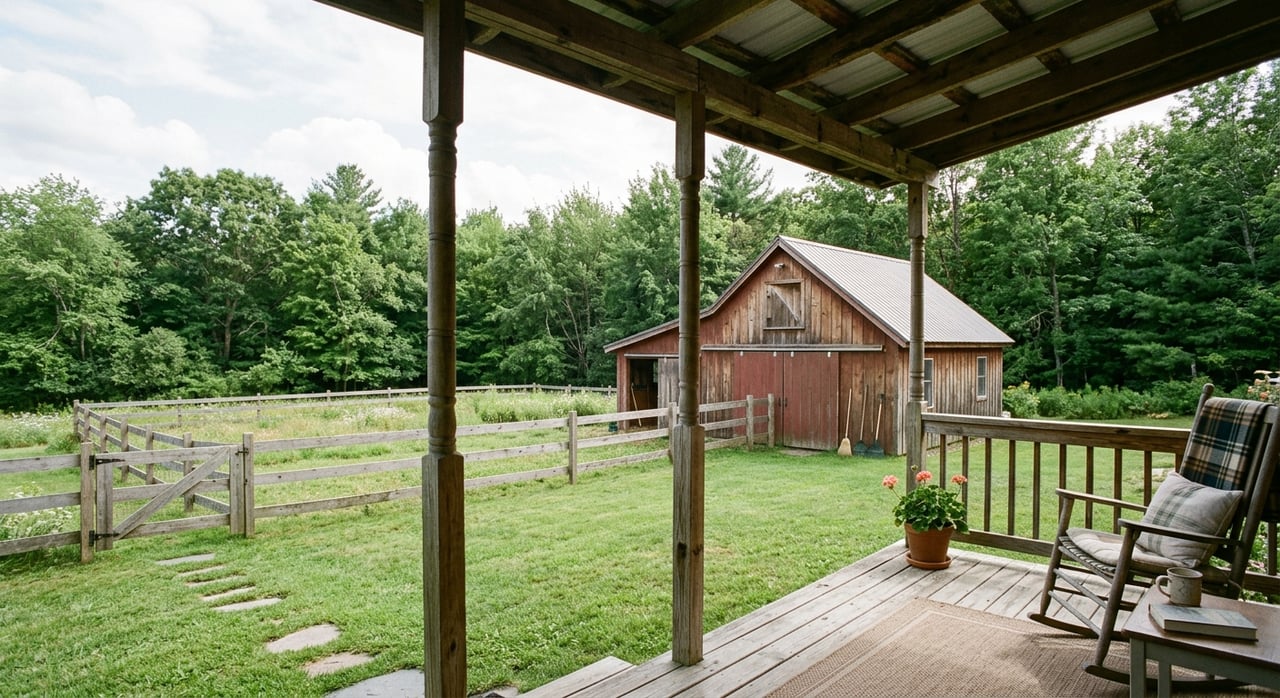
Is Jefferson County Right For Your Hobby Farm?
May 14, 2026
May 14, 2026
If you picture a hobby farm as equal parts freedom and responsibility, Jefferson County deserves a close look. You want enough land to make your plans possible, but you also need practical details like zoning, septic, road access, and everyday services to work in real life. The good news is that Jefferson County offers a strong mix of rural character, agricultural roots, and outdoor appeal. Let’s dive in.
Jefferson County has the kind of setting many hobby-farm buyers hope to find in East Tennessee. It spans 275.07 land square miles and had an estimated 60,024 residents in July 2025, which works out to about 198.8 people per square mile. That points to a county that still feels rural or lightly developed rather than crowded.
At the same time, it is not isolated. The county reported 771 employer establishments, 4,132 nonemployer establishments, and $979.6 million in retail sales in 2022. Households with broadband subscriptions reached 86.8% in the 2020 to 2024 ACS, which matters if you work from home, manage farm needs online, or simply want modern convenience with country space.
Homeownership is also a big part of the local picture. The owner-occupied housing rate is 75.8%, and the median owner-occupied home value is $229,300. For many buyers, that combination suggests an established residential base with day-to-day livability, not just scattered rural tracts.
If you are looking for a place where a hobby farm fits naturally, Jefferson County checks that box. According to the USDA’s 2022 county profile, the county had 826 farms covering 82,883 acres, with an average farm size of 100 acres. That does not mean every tract is large, but it does show agriculture is a real and active part of the landscape.
Land use also matters. Jefferson County reported 35,546 acres of cropland, 31,278 acres of pastureland, 12,102 acres of woodland, and 3,957 acres of other land. For a buyer thinking about pasture, hay ground, a barn, or a mix of open and wooded acreage, that is a useful sign that these property types are already part of the county pattern.
The local ag mix is especially encouraging for small-scale and mixed-use goals. USDA reports that 70% of county farm sales came from livestock, poultry, and products, while 30% came from crops. That suggests Jefferson County is not just crop-focused land, but a place where animal-based operations are already common.
For many hobby-farm buyers, the big question is simple: does the county support the kind of animals and land use you have in mind? The data says yes, at least in a broad sense. Jefferson County’s 2022 farm profile included 23,159 cattle and calves, 744 goats, 841 horses and ponies, and 2,657 layers.
That inventory matters because it shows grazing and small livestock are not unusual here. If your vision includes a few horses, a small goat setup, chickens, or open pasture for animals, you would be looking at a county where those uses already exist in the broader agricultural environment. That does not replace parcel-level due diligence, but it is a positive sign.
Crop data supports that same idea. Forage or hay was the largest crop by acreage at 23,450 acres, followed by soybeans at 3,203 acres and corn for grain at 2,910 acres. In plain terms, hay and pasture are a big part of the local farm pattern, which often aligns well with hobby-farm and homestead-style goals.
Jefferson County may be especially appealing if you are not trying to run a large commercial operation. USDA reports that 99% of farms in the county are family farms. That helps paint a picture of a place where owner-operated properties are standard, not unusual.
The same report shows 73% of farms have internet access, 16% hire farm labor, and 5% sell directly to consumers. For you, that suggests a county where many farms are practical, family-managed operations rather than large labor-heavy businesses. If your goal is a side-gig farm, small homestead, or lifestyle property with room to grow, that local pattern may feel like a good fit.
A hobby farm works best when daily life stays manageable. Jefferson County’s mean travel time to work is 28.9 minutes, which gives some context for commuting and regular errands. You may still drive more than you would in a city, but the county appears set up for routine living rather than being purely remote.
That balance can matter a lot once the excitement of buying wears off. You may want room for a garden, a barn, or fenced pasture, but you probably also want groceries, service providers, and dependable internet access within reach. Jefferson County appears to offer that middle ground.
Jefferson County stands out for more than farmland alone. TVA says Cherokee Reservoir has nearly 400 miles of shoreline and about 28,780 acres of water surface. TWRA says Douglas Reservoir has 555 miles of shoreline and 30,600 acres of surface area, with shoreline described as primarily farmland and residential with rolling hills.
That outdoor setting can be a real advantage if you want a property that supports both work and recreation. The county and Town of Dandridge highlight lake activities, outdoor trails, downtown shopping, and equestrian amenities in the area. For many buyers, that means you are not choosing between usable land and a scenic lifestyle. You may be able to have both.
Location also adds to the appeal. Dandridge says it is about an hour from Great Smoky Mountains National Park, and county tourism messaging emphasizes that Jefferson County is minutes from Gatlinburg and Pigeon Forge. If you want a hobby farm with access to East Tennessee’s outdoor destinations, that is part of the draw.
This is where excitement needs to slow down and due diligence needs to speed up. Jefferson County’s zoning office handles subdivision regulations, zoning resolutions, maps, and map updates, and it currently highlights a 2025 amendment affecting permitted and prohibited uses in A-1, R-1, R-2, RR, and C2 districts. That means you should never assume a listing with acreage automatically allows the use you want.
The county-hosted zoning resolution identifies an A-1 Agricultural-Forestry district and lists permitted uses such as single-family houses and agricultural uses including barns and storage sheds. The same resolution also shows a more restrictive R-1 Rural Residential district. Because the county also notes a newer 2025 amendment affecting these districts, the smart move is to confirm the parcel’s current zoning and permitted uses directly with the county before you rely on marketing language.
This step is especially important if you are planning:
One of the biggest mistakes buyers make with land is assuming that if a parcel is listed, it is ready for a house, barn, or farm setup. In Jefferson County, buildability depends on more than just acreage. Septic feasibility, access, utilities, and plat status all matter.
The county’s subdivision regulations say divisions into two or more parcels are not treated as subdivisions when the resulting tracts are 5 acres or larger and do not require new street or utility construction. If street or utility work is involved, the plat must go through the county process. This matters if you are buying with the idea of splitting land later.
The same regulations also say that where public utility connections are not practical, any individual water supply or sewage disposal system must be approved by the appropriate health authorities. So if you are shopping for a more remote tract, you need to think through infrastructure early, not after closing.
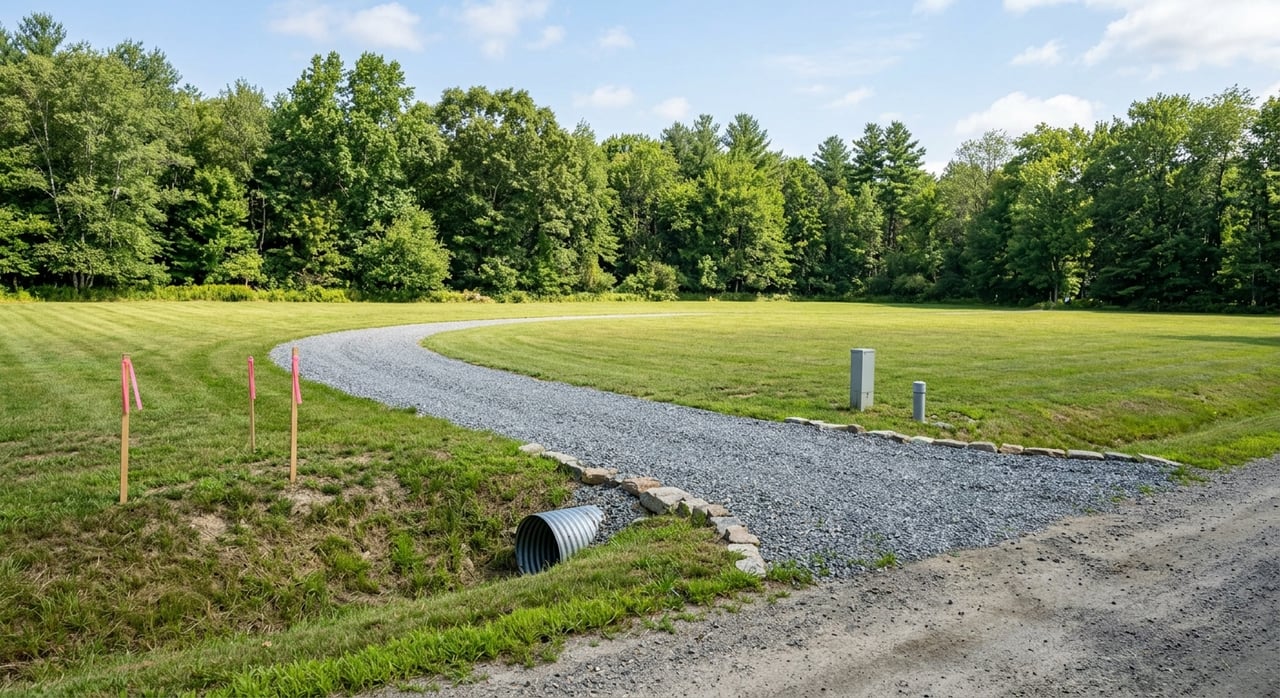
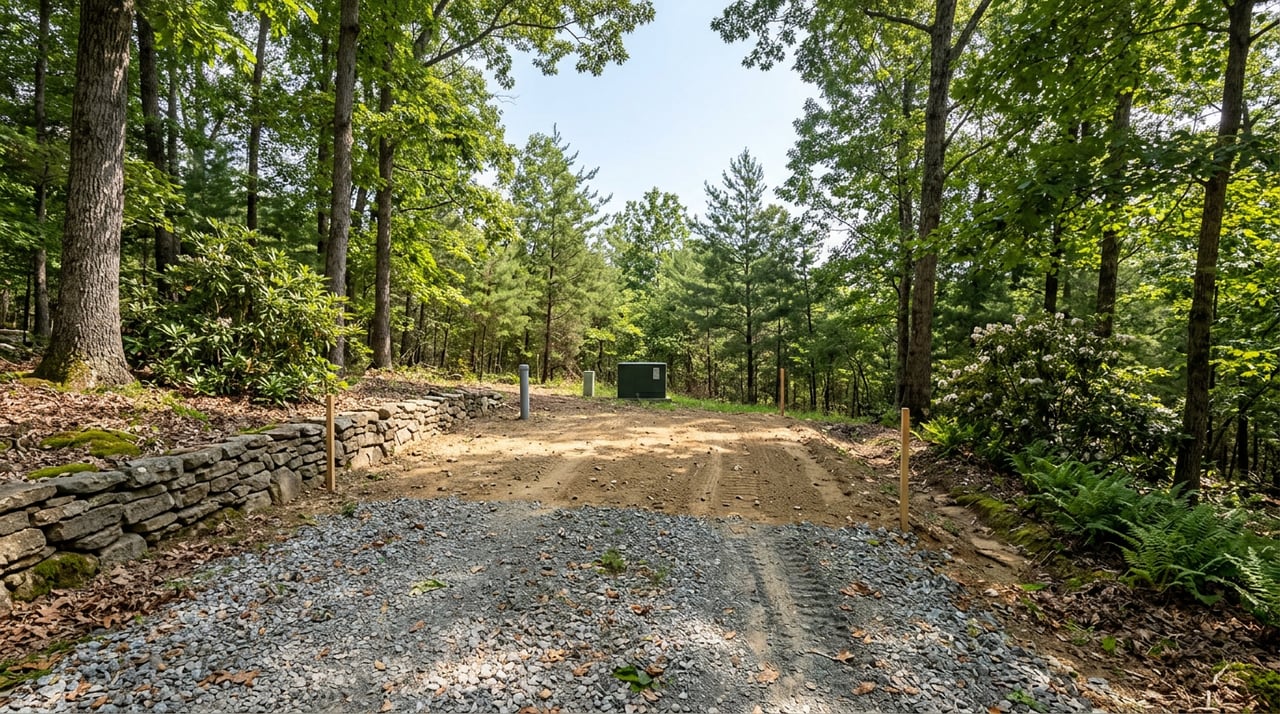
For new construction, Jefferson County’s Environmental Health Department says it issues septic permits. When a property is not in a subdivision, the application requires a recorded plat map, a soil map, and staking of the proposed house site. The county’s stated process then moves from septic permit to building permit to 911 address.
That order is worth remembering because it highlights a key truth about hobby-farm land. A beautiful tract is not the same thing as a ready-to-build tract. Before you fall in love with views, pasture, or privacy, make sure the site logistics support your actual plan.
Jefferson County’s zoning code includes a special flood-hazard overlay district. That makes floodplain review especially important for low-lying land and parcels near the reservoirs. If you are drawn to lake-adjacent acreage, this should be part of your early screening process.
Flood exposure does not mean a property cannot work, but it can affect where you place structures, how you use the land, and what additional review may be needed. It is one more reason why a parcel-level review matters more than a broad first impression.
Jefferson County looks like a strong match if you want a hobby farm or small homestead with a real agricultural backdrop, scenic surroundings, and enough services to keep life practical. The county has a meaningful farm base, a strong mix of cropland and pasture, and a local pattern that supports family-run operations. Add the lakes, mountain access, and rural feel, and you have a location that checks a lot of boxes.
The right answer, though, still comes down to the individual property. The best hobby-farm purchase is not just attractive land. It is land whose zoning, access, septic path, and flood exposure match the way you actually plan to use it.
If you are thinking about buying acreage in Jefferson County, working with someone who understands land, rural property questions, and East Tennessee market patterns can save you time and help you avoid expensive surprises. When you are ready to talk through your goals, connect with Wanda Hendryx for a free consultation.
Stay up to date on the latest real estate trends.
Get assistance in determining the current property value, crafting a competitive offer, writing and negotiating a contract, and much more. Contact me today.