Seasonal Home Maintenance Tips For Sevierville Owners
May 7, 2026
May 7, 2026
If you own a home in Sevierville, maintenance is not just a spring-cleaning project. With steady rainfall, humid summers, and plenty of freezing nights in winter, small issues can turn into expensive repairs faster than many owners expect. The good news is that a simple seasonal plan can help you protect your home, stay ahead of wear and tear, and avoid surprises. Let’s dive in.
Sevierville’s weather creates a few clear priorities for homeowners. NOAA climate normals for the local station show about 48.78 inches of precipitation each year, 52.7 days with highs at or above 90°F, and 85.9 days with lows at or below freezing. That mix means your home has to handle moisture, heat, humidity, and freeze risk throughout the year.
For most owners, the smartest approach is prevention. That means keeping water away from the house, controlling indoor humidity, helping your HVAC system run efficiently, and checking safety items before busy guest seasons or winter vacancies. If you own a primary home, second home, or occasional rental, those basics go a long way.
In Sevierville, moisture is often the main issue behind bigger home problems. The EPA says the key to mold control is moisture control, and it recommends keeping indoor relative humidity below 60%, with an ideal range of 30% to 50%. If materials get wet, drying them within 24 to 48 hours helps reduce the chance of mold growth.
That guidance matters here because rain stays fairly consistent year-round. Monthly precipitation ranges from 2.90 inches in October to 4.90 inches in December, so drainage problems are not limited to one season. Gutters, grading, crawlspaces, plumbing areas, and condensate lines all deserve regular attention.
A few warning signs are easy to miss at first. Watch for window condensation, musty odors, damp closet corners, wet crawlspace areas, or stains near ceilings and walls. Catching those signs early can help you fix a simple moisture issue before it spreads.
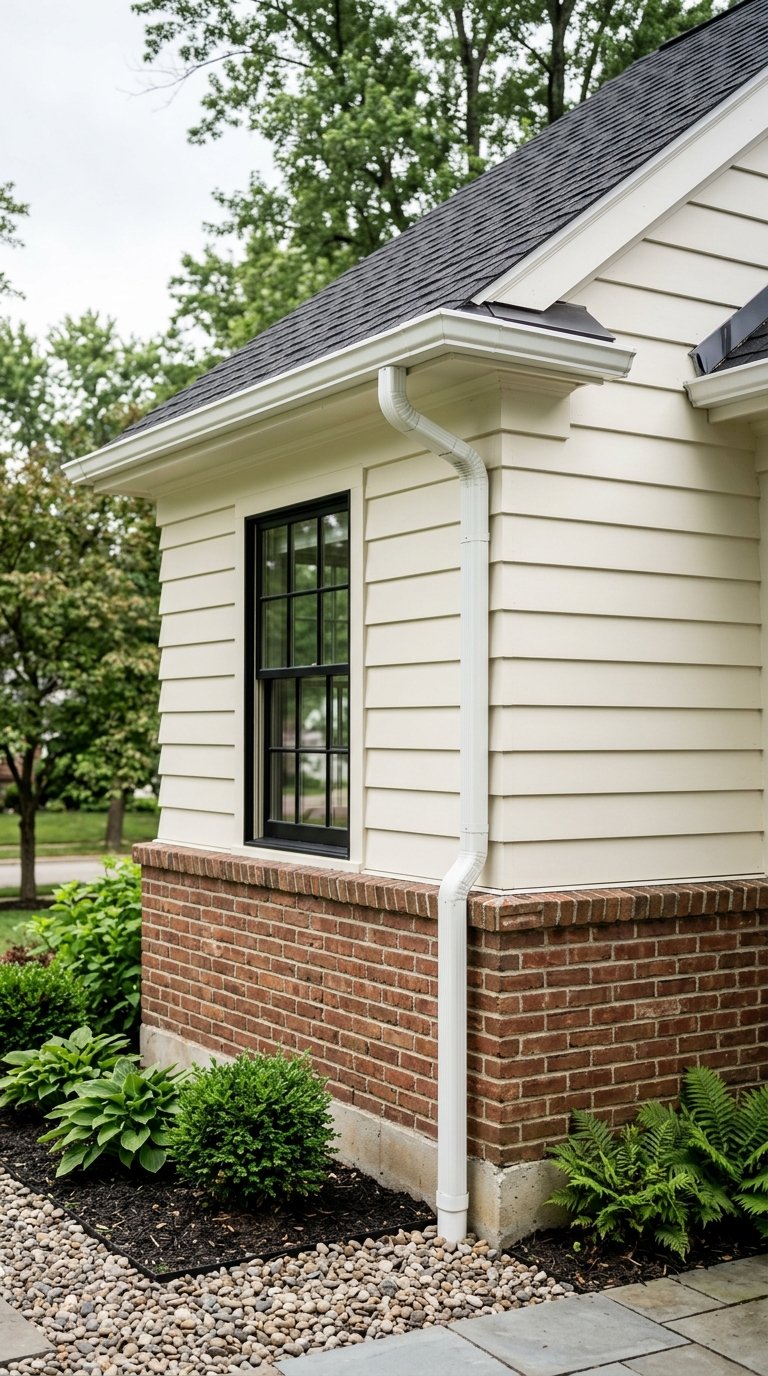
Spring is a good time to inspect your home after winter weather. Look over roof flashing, gutters, downspouts, and drainage paths around the house. The EPA recommends cleaning and repairing gutters regularly and making sure the ground slopes away from the foundation so water does not collect near the home.
If you notice repeated gutter overflow, missing shingles, or signs of water intrusion, it may be time to call a roofer or gutter specialist. Those issues are not just cosmetic. They can lead to bigger moisture problems if they keep returning.
Before cooling season starts, schedule professional HVAC maintenance. The U.S. Department of Energy says service should include items like coil inspection and clearing the condensate drain so water does not back up.
This is also the right time to check your air filter. DOE recommends cleaning or replacing filters every month or two during cooling season. If your home has heavier use, dusty conditions, or pets, you may need to do it more often.
Spring is often when hidden moisture issues begin to show up. Check around windows, under sinks, in closets, and in crawlspaces for damp areas or musty smells. Condensation can be a sign that indoor humidity is too high.
If you find wet materials, act quickly. The EPA says drying wet areas within 24 to 48 hours helps prevent mold. If materials cannot be dried in that window or visible mold is spreading, contact a water-restoration or mold professional.
Summer in Sevierville often means heat and humidity working together. With more than 52 days per year reaching 90°F or higher on average, your cooling system does more than keep you comfortable. It also helps manage moisture indoors.
The EPA recommends using air conditioning or dehumidifiers when needed and keeping indoor humidity below 60% whenever possible. Ventilating moisture-producing activities also helps. If rooms feel sticky or you see frequent condensation, humidity may be too high.
Your outdoor HVAC unit needs good airflow to work well. DOE advises removing debris and trimming foliage back at least two feet around the condenser. That simple step can help support efficient cooling during the hottest part of the year.
It is also smart to keep an eye out for signs of trouble. If the system struggles to cool, if the condensate drain backs up, or if performance drops suddenly, call an HVAC technician for a closer look.
Filters matter more during periods of heavy system use. If your home has frequent guests, constant occupancy, pets, or dust from nearby traffic or projects, your filter may need attention sooner than expected.
A quick filter check every few weeks can help you avoid airflow problems. It is a small habit that supports comfort, indoor air quality, and system performance through the summer.
Fall leaves can create fast blockages in gutters and downspouts. Cleaning them before buildup gets heavy is one of the best ways to reduce overflow and keep water moving away from the house.
This is especially important before winter arrives. The EPA connects gutter maintenance and proper grading directly to moisture prevention, which makes fall a key time to handle drainage work.
Fall is also a smart time to review life-safety basics. The Sevierville Fire Department says smoke alarms should be checked monthly and replaced if they are more than 10 years old.
If you have not tested them in a while, do it before colder weather sets in. This is an easy task that supports everyday safety, whether you live in the home full-time or use it seasonally.
If you occasionally rent out your property, fall is a useful time to review permit status and safety readiness before winter bookings. In Sevierville city limits, a short-term rental operational permit is required annually and includes a fire-department life-safety inspection.
In unincorporated Sevier County, a short-term rental permit is also required. The county application requires smoke alarms in sleeping rooms, outside sleeping rooms, and on each story, carbon monoxide alarms within 15 feet of bedroom doors, and at least one fire extinguisher on each level.
Even though East Tennessee is often seen as mild, freeze protection still matters in Sevierville. NOAA normals show average lows of 27.4°F in January and 29.9°F in December, and the area averages 85.9 days per year at or below freezing.
That makes winter prep a routine task, not a rare one. Pay special attention to outdoor faucets, hose bibs, exposed plumbing, and any weakly insulated areas where cold air can reach pipes.
Heating season can create moisture problems too. If warm indoor air meets cold windows, walls, or pipes, condensation can build up and lead to damp spots.
The EPA recommends keeping indoor humidity below 60%, ideally between 30% and 50%. If you notice regular condensation on windows or other surfaces, it may be time to reduce indoor moisture levels.
If your Sevierville property is a second home or occasional rental, winter absences add another layer of risk. A small leak or failed alarm can go unnoticed for days if no one is there.
A pre-departure checklist can help. Before leaving, confirm plumbing protection, thermostat settings, alarm function, and who will respond if something goes wrong. In unincorporated Sevier County, the short-term rental application requires a local emergency contact, which reinforces how important a local response plan can be.
Great Smoky Mountains National Park brought in more than 12 million recreational visits in 2024, and the busiest months in 2023 were June through October, each with more than 1 million visits. For owners who rent occasionally, that traffic can influence how you plan maintenance.
Spring is often the best time to get ahead of it. Deep cleaning, inventory checks, HVAC service, and safety reviews are easier to handle before peak travel demand picks up.
If your home is in Sevierville city limits, the Sevierville Fire Department offers a no-cost home safety survey. That can be a useful local resource if you want another set of eyes on safety conditions before opening the property to guests or preparing to sell.
For many owners, that kind of proactive review offers peace of mind. It can also help you catch smaller issues before they become bigger interruptions.
Some maintenance jobs are worth handling right away with expert help. If gutters keep overflowing, shingles are missing, water intrusion returns, or your HVAC system is not cooling properly, bringing in a professional can save time and protect your home.
It is also wise to call for help if damp materials cannot be dried within 24 to 48 hours or if visible mold is spreading beyond a small, manageable area. Quick action matters most when water is involved.
If you like to keep things practical, focus on these priorities each year:
A steady maintenance routine helps you protect value, avoid preventable repairs, and keep your property ready for everyday living, guests, or a future sale.
If you are thinking about selling, buying, or evaluating a second home in Sevierville, local insight matters. Wanda Hendryx offers experienced, practical guidance to help you make smart decisions about your property and your next move.
Stay up to date on the latest real estate trends.




Get assistance in determining the current property value, crafting a competitive offer, writing and negotiating a contract, and much more. Contact me today.