Thinking about listing your home in Seymour? Getting market-ready here can look a little different than in a dense city. Many buyers care about acreage, privacy, and the condition of systems like septic and wells. With a simple plan, you can highlight what matters, avoid surprises, and draw strong offers. In this guide, you’ll learn exactly where to invest your time and money, how to present your home online, and the best way to price and time your listing for the Seymour market. Let’s dive in.
Know your Seymour buyer
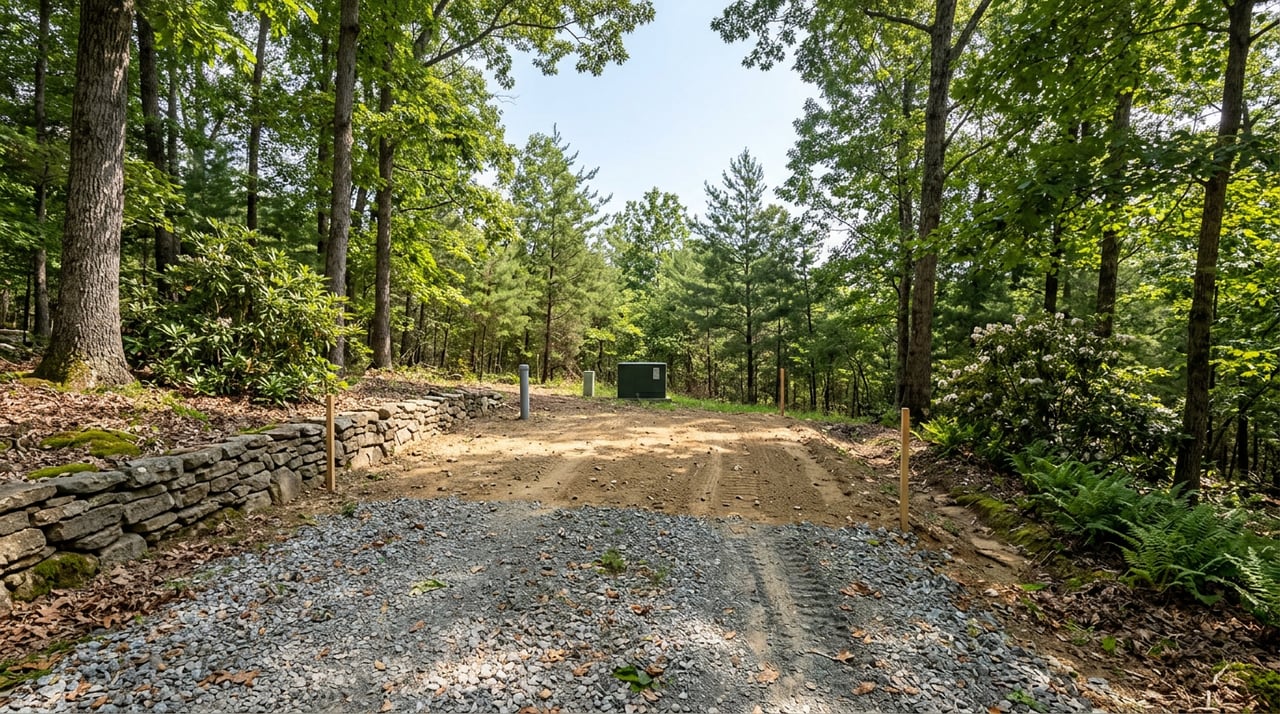
Seymour sits between Knoxville and Sevierville, so buyers often include local move-up or downsizing households, commuters, and some second-home or short-term rental shoppers. These buyers pay attention to lot size, privacy, and mountain views. They also care about updated mechanical systems, and whether septic and well systems are in good shape.
Seasonality matters. Spring and early fall usually bring more activity, though homes sell year-round. Curb appeal is especially important in these seasons. Fresh mulch, trimmed landscaping, and a tidy yard can make your home pop in photos and in person.
Tackle high-impact fixes first
Small, targeted updates have a big payoff. Focus on the items buyers will notice immediately and inspectors will flag later.
Boost curb appeal on any lot size
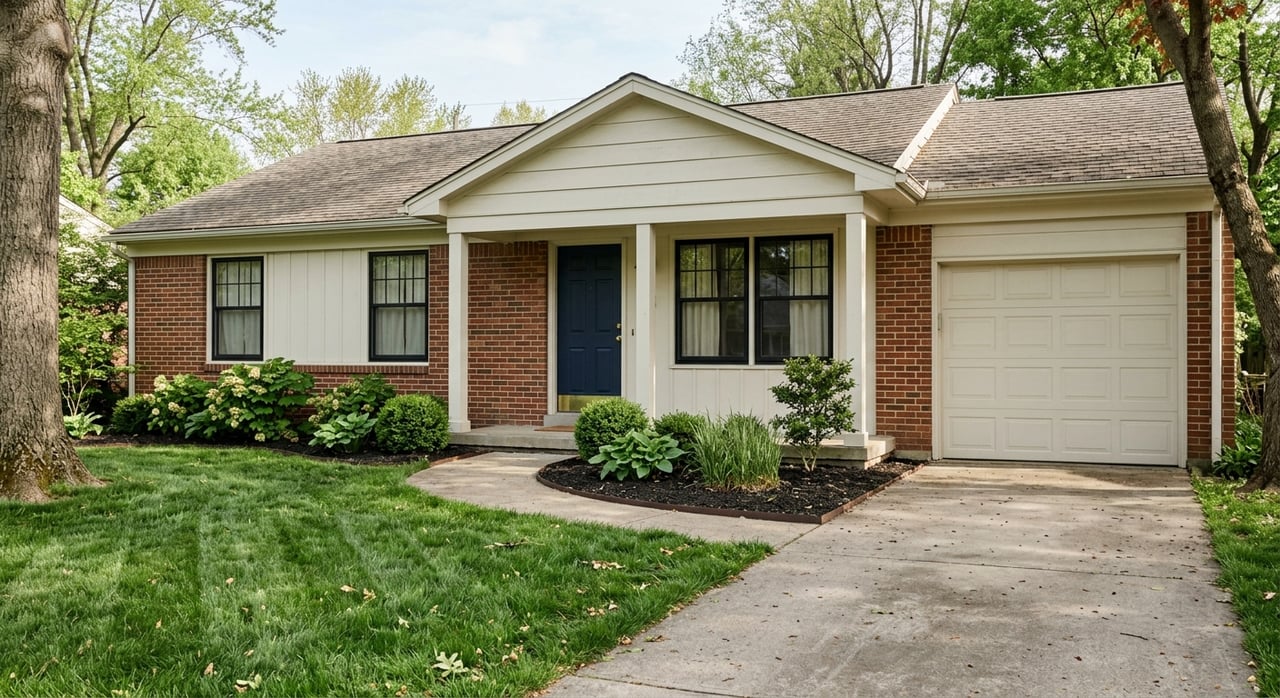
- Trim trees and shrubs, mow and edge regularly.
- Refresh mulch, tidy flower beds, and clear leaves and branches.
- Repair loose siding or trim and touch up exterior paint.
- Replace a worn mailbox or faded house numbers.
First impressions set the tone for the showing. In Seymour’s suburban and rural settings, neat landscaping signals overall care and maintenance.
Refresh interior basics
- Apply fresh, neutral paint to brighten rooms and make spaces feel larger.
- Deep clean floors, bathrooms, and kitchen surfaces.
- Fix leaky faucets, damaged trim, loose hardware, and squeaky doors.
- Replace burnt-out bulbs and consider brighter, energy-efficient lighting.
Address flooring where it counts
- Refinish scratched hardwoods if possible. It often delivers high ROI.
- Patch or replace small sections of worn carpet instead of full-room replacement if the rest is serviceable.
Handle low-cost safety items
- Test smoke and carbon monoxide detectors and replace batteries.
- Stabilize loose handrails and repair exterior steps.
These inexpensive fixes reduce the risk of inspection surprises later.
Get ahead with pre-listing inspections
In Seymour, many homes rely on septic and well systems. Getting key checks done before listing can build buyer confidence and streamline negotiations.
Service the HVAC and gather records
Schedule a routine HVAC service and keep the receipt. Buyers in older homes often ask about ages and maintenance history, and documentation helps.
Assess the roof early
If the roof is older or shows curling shingles, stains, or missing tabs, consider a roof inspection and minor repairs. Roof condition strongly influences buyer confidence.
Inspect the septic and test well water
A pre-listing septic inspection and a well-water test are smart moves for many Seymour properties. Test for bacteria and nitrates, and consider additional tests based on your situation. If issues arise, you can fix them or price accordingly, then disclose accurately.
Check for termites and wood-destroying organisms
Termites and other wood-destroying pests are a regional risk in Tennessee. A WDO inspection, with treatment if needed, helps prevent last-minute renegotiations.
Consider a general home inspection
A pre-listing inspection is optional but can reduce surprises and give you a plan for repairs. It is especially helpful for older homes or when you suspect deferred maintenance.
Prepare disclosures and paperwork
Consult your listing broker about required Tennessee disclosures and local transfer details. Standard forms are widely used in Sevier County. The goal is simple: disclose known material defects clearly and avoid issues later.
Stage for photos and showings
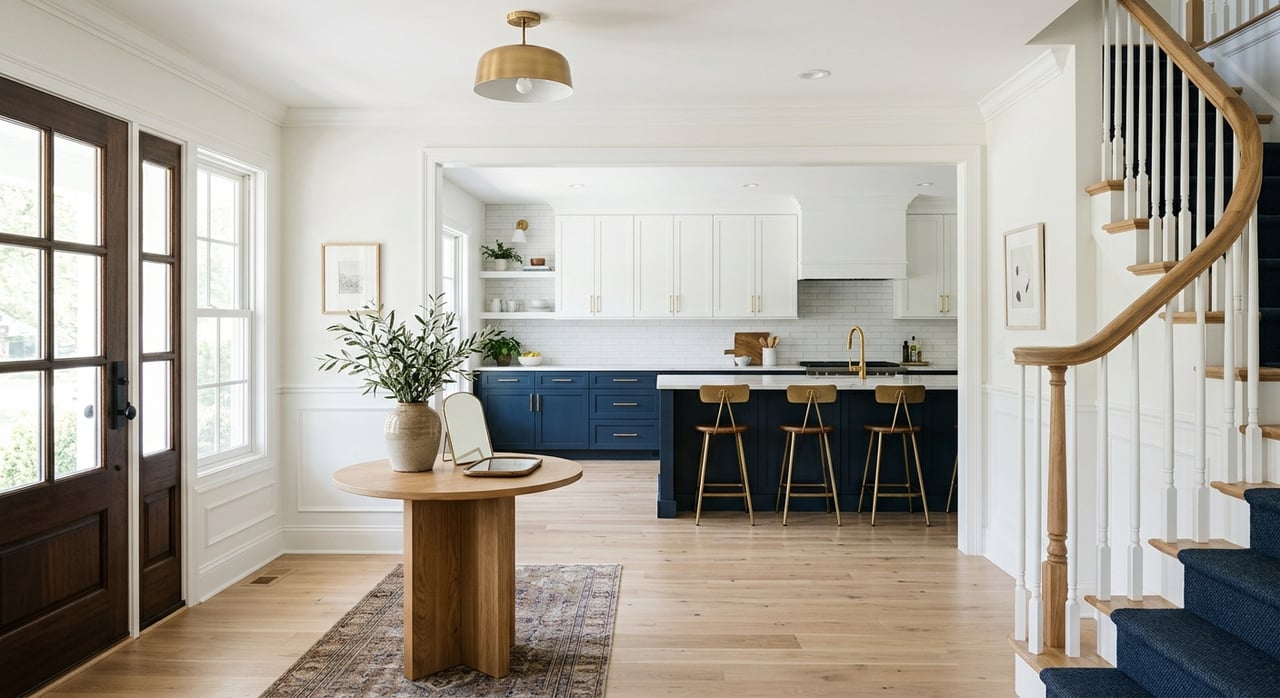
Staging does not have to be expensive. You can get great results with decluttering, simple styling, and focusing on high-impact rooms.
Declutter and depersonalize
- Remove extra furniture to improve flow and perceived space.
- Clear kitchen and bath counters, leaving only a few neutral items.
- Store personal photos and bold decor so buyers can imagine the home as theirs.
Prioritize key rooms
Focus on the living room, kitchen, primary bedroom, and main bath. Arrange furniture to show clear walkways and purpose for each space. Add neutral textiles, fresh towels, and a few plants or flowers.
- DIY staging with your own furniture can be very effective.
- Partial professional staging for key rooms is a moderate-cost option.
- Full staging works well for vacant or higher-priced homes.
Typical service cost ranges vary by vendor and project size. As a general guide, professional photography often runs about 150 to 450 dollars. A basic virtual or 3D tour add-on is often about 100 to 300 dollars. Partial staging may range around 300 to 1,500 dollars, while full staging for higher-end setups may run about 1,000 to 4,000 dollars per month.
Plan for pets and daily show readiness
- Secure or remove pets for showings and clean litter boxes or cages.
- Keep utilities on and set a comfortable temperature.
- Open blinds and curtains for light and views.
- Take out trash and do a quick sweep and wipe-down before each showing.
Nail your online presentation
Most buyers start online, so strong visuals and accurate details make a big difference.
Invest in professional photography
Ask for wide-angle interior shots and multiple exterior angles that show the approach, driveway, and yard. If you have a mountain view, deck, or porch, highlight it.
Add a floor plan and consider tours
A floor plan and accurate room dimensions help buyers understand layout. Virtual tours or video walkthroughs increase engagement, especially for out-of-area buyers shopping for second homes.
Write clear, factual listing remarks
Avoid hype and stick to the facts that matter most in Seymour:
- Lot size and privacy features.
- Mountain views and outdoor living spaces.
- System updates and ages if known, such as roof, HVAC, septic, and well.
- Recent improvements, like paint, flooring, or fixtures.
- Proximity to commuting routes and area amenities.
Price and time your listing wisely
Pricing and timing work together. The right strategy depends on your neighborhood, current inventory, and your goals.
Use a neighborhood-level CMA
Work with a local agent to build a Comparative Market Analysis that focuses on similar homes in your immediate area. County averages can miss key differences by subdivision, home type, or lot size.
Choose a pricing tactic
- Market-value pricing can attract more buyers and may produce multiple offers.
- Pricing slightly above market can allow room to negotiate, depending on supply and demand.
Be realistic about condition. If you have deferred maintenance, you can address it before listing or reflect it in the price. Buyers and appraisers will compare your home to recent closed sales.
Time it for maximum impact
Spring and early fall often see stronger buyer activity and better curb appeal. If you need to list sooner, prioritize marketability: curb cleanup, paint, and professional photos.
Track feedback and adjust if needed
While on the market, watch showing activity and buyer comments. If traffic is low or feedback repeats the same concerns, consider targeted repairs or a price adjustment.
Sample 8-week prep timeline
- 6 to 8 weeks out: Interview agents, get a CMA, and schedule major repairs. Service the HVAC. Order septic and well inspections if applicable.
- 3 to 4 weeks out: Complete painting, deep cleaning, and landscaping improvements. Declutter and plan staging. Book a photographer and any virtual tour add-ons.
- 1 to 2 weeks out: Finish staging and a final clean. Organize documents such as receipts, warranties, utility bills, and inspection reports.
- Listing day: Post photos and floor plan to the MLS. Final walkthrough to confirm show readiness. Share access instructions and showing windows.
- While on market: Maintain daily tidying and lawn care. Review feedback weekly with your agent and adjust strategy if needed.
Room-by-room quick hits
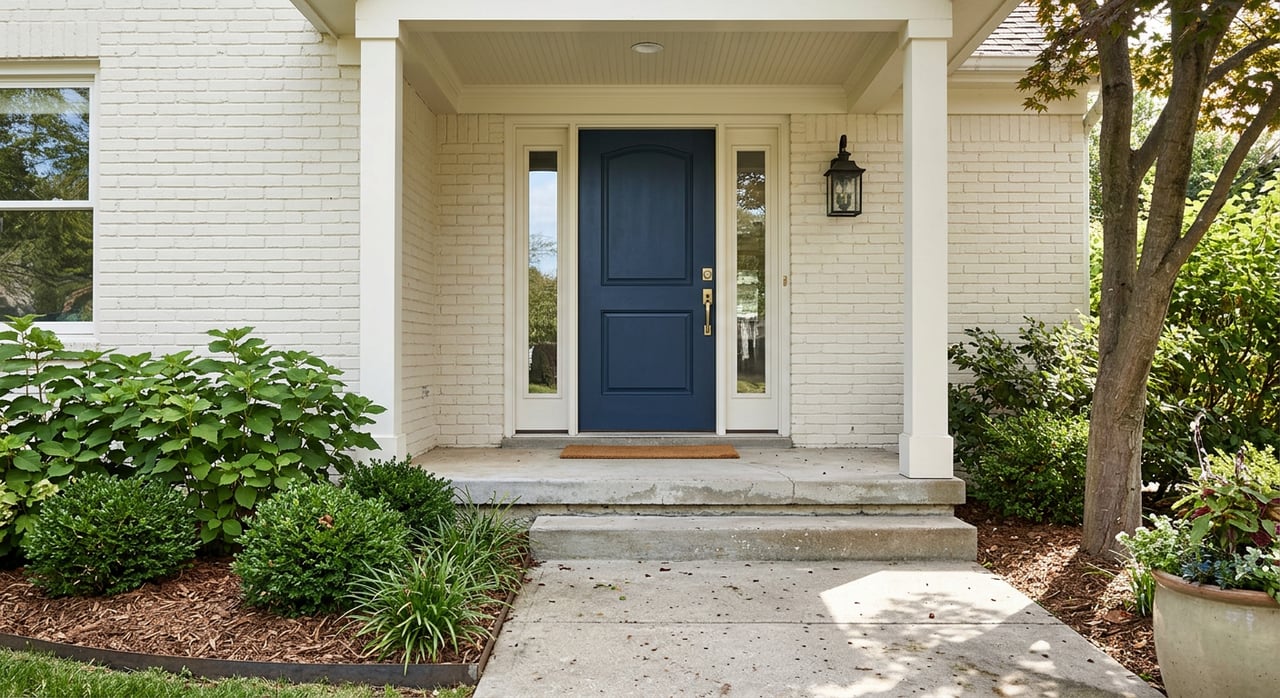
- Entry and porch: Fresh doormat, clean glass, and trimmed plants for a welcoming first impression.
- Kitchen: Clear counters and add a simple centerpiece. Update a faucet or light fixture if dated. Deep clean appliances.
- Living room: Remove extra furniture to open the space. Use neutral throws and pillows. Touch up scuffed walls.
- Primary bath: Regrout or re-caulk, hang fresh towels, and fix any slow drains.
- Basement and garage: Improve lighting, sweep floors, and show clear pathways to utilities and storage areas.
How a local broker adds value in Seymour
Selling in Seymour benefits from neighborhood-level knowledge and a strong local network. A seasoned agent can provide:
- Accurate pricing with a CMA tailored to your specific area and home type.
- MLS exposure and targeted marketing to likely buyer groups, including local move-up buyers, commuters, and investors.
- A trusted vendor list for contractors, stagers, photographers, inspectors, and closing partners who know Sevier County processes.
- Skilled negotiation, inspection management, and coordination with title and closing teams.
- Guidance on disclosures and Tennessee forms so you can meet requirements with confidence.
Ready to put this plan to work for your home? You can start with a quick conversation about your timeline and goals. Connect with Wanda Hendryx to schedule a free consultation.
FAQs
How should a Seymour seller budget for repairs and staging?
- Focus on low-cost, high-impact updates like paint, landscaping, minor fixture upgrades, and cleaning. Use local quotes for photography, tours, and staging to match your budget and home.
Should I do a pre-listing septic and well inspection for a Seymour home?
- Yes, it is often recommended. Testing and inspecting upfront lets you fix issues or price appropriately, then disclose clearly to avoid late-stage negotiations.
What is the best time of year to list a home in Seymour, TN?
- Spring and early fall usually bring more buyer activity and stronger curb appeal, but well-prepared homes can sell any time of year.
What documents should I have ready for buyers and inspectors?
- Gather utility bills, receipts for improvements, warranties, manuals, and any inspection reports. Keep HVAC service records and roof or septic paperwork handy.
How do I choose a pricing strategy for my Seymour home?
- Base your list price on a neighborhood-level CMA, not broad county averages. Discuss whether market-value pricing or a small premium fits current demand and your goals.
Do professional photos and a floor plan really matter?
- Yes. High-quality photos, and a floor plan when possible, boost online engagement and help buyers understand layout and lot features, especially for out-of-area shoppers.