Thinking about listing your Seymour home this winter? You’re not alone. Many sellers wonder if waiting for spring will net a better result. You want a strong price, a smooth process, and the right buyers. In this guide, you’ll learn how winter really plays out in Seymour, what buyers look for now, and how to price and present your home for success. Let’s dive in.
Winter in Seymour: what to expect
Winter is usually quieter for listings and showings across the country. Spring often brings more activity. That said, Seymour sits near Sevierville, Pigeon Forge and Gatlinburg, so demand can look different here. Investor and second-home interest tied to the Smokies can stay active year-round.
According to broad patterns seen in national data, winter tends to bring fewer casual lookers and a higher share of serious buyers. You often see relocations, job transfers, and buyers who want to close by a certain date. You can explore general seasonal patterns in NAR research on seasonality, but remember that local numbers change month to month. The best path is to pull a fresh snapshot of Seymour and Sevier County before deciding on timing.
Key benefits of listing now
Lower competition
Fewer new listings in winter usually means you have less direct competition. A well-priced home can stand out and attract attention faster.
More motivated buyers
Winter shoppers often have hard deadlines. Many come pre-qualified and ready to make decisions. That can mean quicker negotiations and cleaner terms when your home shows well.
Year-round investor interest
In a Smokies-adjacent market, investor and second-home buyers often search all year. If your property has features that work for long-term or short-term rental potential, that audience may be active even in colder months.
Challenges to plan for
Smaller buyer pool
The pool is typically smaller in winter, so correct pricing matters. You want to meet the market where it is and invite action quickly.
Weather and access
Cold snaps, icy driveways, and early sunsets can affect showings. Plan ahead for safe access, good lighting, and warm, inviting interiors. For context on winter patterns, check local winter weather expectations.
Rate sensitivity and timing
If mortgage rates rise, buyer budgets can tighten. If rates fall, activity can pick up fast. Your pricing and timing strategy should account for rate trends and your desired timeline.
Pricing strategy that works in winter
Use seasonal comps and current trends
Pull solds from the last 30 to 90 days and compare them to the same months last year. Look at actives and pendings now, too. This protects you from over-relying on spring comps that may not reflect today’s demand.
Watch the big levers
- Months of inventory (MOI)
- Median days on market (DOM)
- Price-per-square-foot trends
- Condition and upgrade value
- Cash share of purchases in your price band
If MOI is tight, pricing near the high end of recent comps may work. If the market is softening, a sharper list price can pull serious buyers in faster.
Prepare for negotiation
Winter buyers are serious, but they may ask for concessions. Be ready for requests such as seller-paid closing costs, repair credits, or slightly longer inspection windows when weather causes delays. Set expectations early and keep repair estimates handy.
Presenting your home for cold-weather success
Interior staging and safety
- Service the HVAC and set a comfortable temperature for showings.
- Brighten rooms with layered lighting and open blinds to capture daylight.
- Keep decor neutral. A single seasonal accent is fine; avoid holiday-specific items that date your photos.
- If your fireplace is safe and operable, showcase it during showings. If it is decorative only, be clear in disclosures.
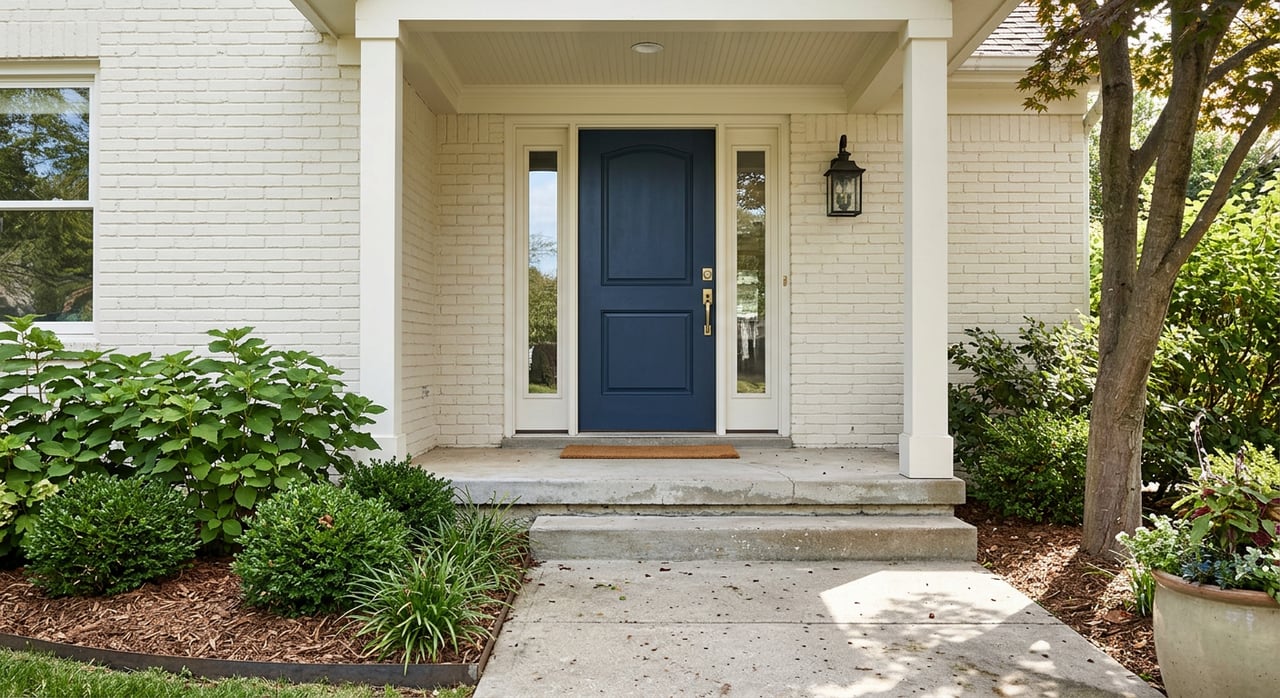
Curb appeal and first impressions
- Keep driveways, walkways, and steps shoveled and treated for ice.
- Add clear, warm entry lighting. Replace bulbs and check timers.
- Tidy planting beds and trim evergreens. A fresh layer of mulch can sharpen the look.
Pro photos and virtual marketing
- Schedule exterior photos on a clear day. Avoid slushy-yard pictures.
- Capture warm, well-lit interior shots and consider a twilight exterior.
- Add a professional virtual tour and a floor plan. Winter buyers often rely on remote viewing to shortlist homes.
Showings and open houses
- Consider appointment-only windows to control traffic during bad weather.
- Ask for buyer pre-qualification when appropriate.
- Offer flexible evening showings for relocation buyers on tight schedules.
If investors are part of your audience
Investor and second-home buyers focus on numbers and convenience. If your home or land works for rental or part-time use, prepare these items:
- Any rental history and utility averages
- Heating, roof and maintenance records
- Information on access, parking, and seasonal upkeep
- Notes on proximity to attractions or commuting routes
Short-term rental rules and permitting can affect value and buyer interest. Be ready to discuss current local guidelines and provide documents on request. Policies evolve, so verify details before you list.
An 8-week winter listing plan
Weeks -6 to -4: Prep and repairs
- Order a current CMA and market snapshot.
- Service HVAC, check roof, clear gutters, and address drafty doors or windows.
- Complete small repairs, declutter, and deep clean.
- Gather permits, HOA documents, and any rental or utility records.
Weeks -3 to -2: Staging and marketing prep
- Stage for warmth and light. Keep it neutral and clutter-free.
- Schedule professional photos, virtual tour, and a floor plan. Pick a sunny day if possible.
- Prepare disclosures and a property info sheet that highlights heating, insulation, and roof status.
Week -1 to 0: Launch
- Price strategically based on recent winter comps and current MOI.
- List on the MLS and activate digital marketing and virtual assets.
- Coordinate showing instructions and keep the home warm and accessible.
Weeks 1–4: Feedback and adjustments
- Track inquiries, showings, and comments.
- If activity is light after 10 to 14 days, adjust price or marketing.
- Prepare for inspection negotiations and keep repair quotes ready.
Weeks 4–8+: Contract to close
- Build buffer time for weather-related delays in inspections, appraisals, and title.
- Keep driveways and walkways clear through the final walkthrough.
Winter-ready checklist
Safety and access
- Line up snow and ice removal. Keep paths clear.
- Test and replace exterior light bulbs.
Systems and maintenance
- Service the furnace or heat pump. Save receipts.
- Inspect the roof and clear gutters.
- Seal drafts and add weather stripping as needed.
Presentation
- Deep clean and declutter. Add absorbent mats at the entry.
- Use warm-toned accents and layered lighting.
- Time photos for a bright day.
Documentation
- Gather recent utility bills and maintenance records.
- Prepare disclosures for any weather-related issues.
Marketing and finance prep
- Request a local CMA and pricing consult.
- If marketing to investors, assemble rent rolls, permits, and occupancy information when applicable.
Now vs. spring: how to decide
If inventory remains low and buyers are active, listing now can put you in front of motivated shoppers with less competition. If spring tends to bring stronger pricing in your segment, waiting may help. The right move depends on fresh local numbers: months of inventory, current DOM, recent winter sales, and rate trends.
A quick local snapshot will make the choice clear. If you’re weighing now vs. spring, request a current read on MOI, median days on market, and recent sale prices for your part of Seymour. With that data, you can set a price and plan that fits your goals and timeline.
Ready to talk timing, pricing, and prep for your home? Connect with Wanda Hendryx for a complimentary winter market snapshot and a practical plan to sell with confidence.
FAQs
Will I get a lower price if I list in winter in Seymour?
- Not necessarily. Winter often means less competition and more motivated buyers. Your outcome depends on fresh local inventory, recent sales, and interest rates, so price to current demand.
Are winter buyers in Sevier County serious or just browsing?
- Many winter buyers are deadline-driven relocations or investors who shop year-round. They tend to be pre-qualified and ready to move when the home fits.
Do winter conditions affect inspections and insurance for Seymour sellers?
- Yes. Make sure heating systems, pipes, and the roof are in good condition. Disclose known weather-related issues and keep maintenance records handy for buyer confidence.
Should I wait until spring to sell my Seymour home?
- It depends on local supply, demand, and your timeline. If spring brings many competing listings, waiting may not help. A current snapshot of MOI, DOM, and recent sales will guide the decision.
How do mortgage rates affect a winter sale in Seymour?
- Higher rates can reduce buyer budgets and slow activity, while lower rates can boost demand. Monitor rate trends and price accordingly to meet the market now.