Living in Townsend Tennessee: Peaceful Smokies Gateway
January 1, 2026
January 1, 2026
Craving a quieter Smokies base without the traffic and neon? If you love mornings by the river, trailheads minutes away, and a small-town feel, Townsend might be a perfect fit. You want calm, convenience, and easy access to Great Smoky Mountains National Park, not crowds. In this guide, you’ll learn what daily life looks like in Townsend, how outdoor access works, what to expect for services and commutes, and the key housing considerations for buyers. Let’s dive in.
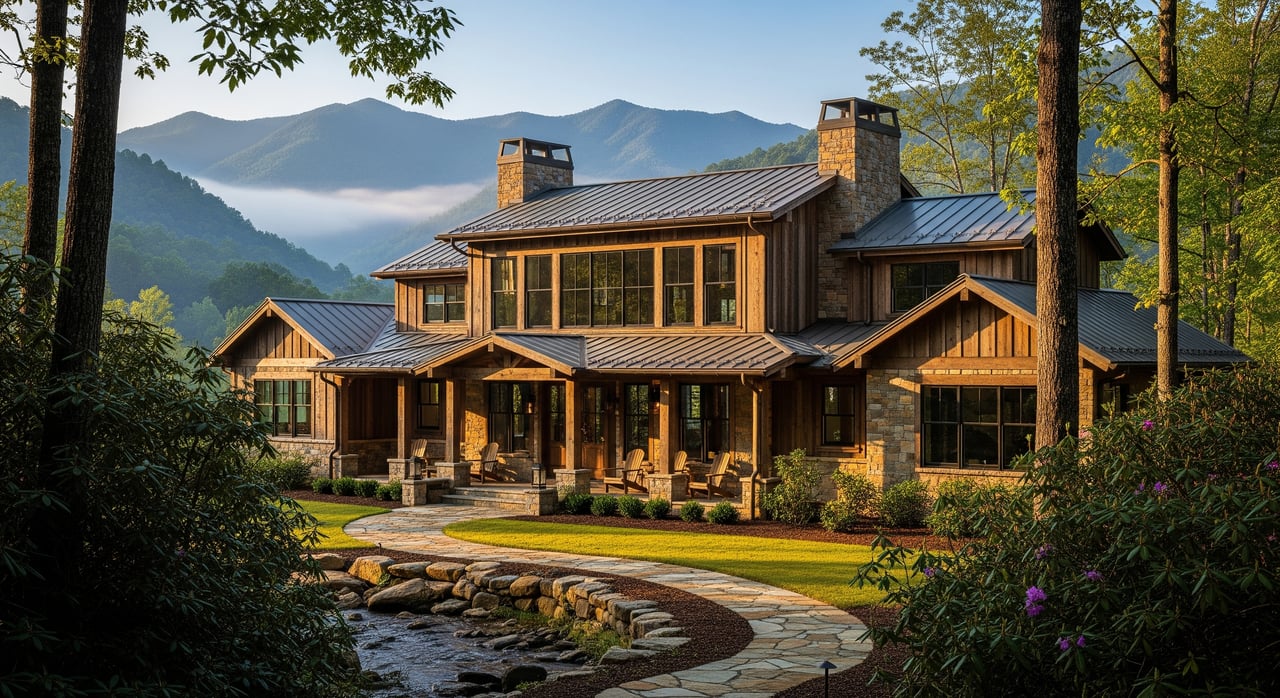
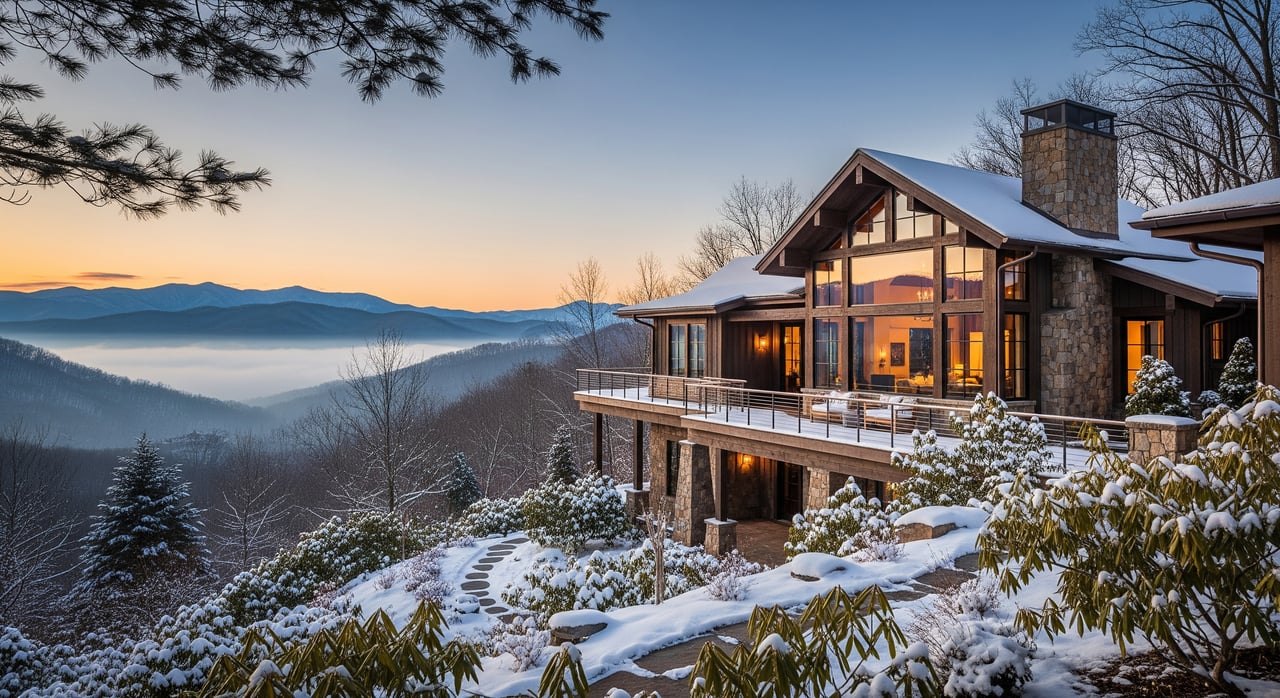
Townsend is known as “The Peaceful Side of the Smokies.” You’ll find low-density residential neighborhoods, riverfront scenery along the Little River, and a slower pace of life. The town blends a small tourism presence with a stronger emphasis on residential living and outdoor recreation.
Compared with busier corridors like Gatlinburg and Pigeon Forge, Townsend stays calmer through most seasons. That lighter footprint is part of the appeal. If you want quiet evenings on the porch and easy park access over nonstop attractions, you’ll feel right at home.
Living in Townsend puts you close to Great Smoky Mountains National Park. Locals use nearby access points to reach riverside day-use areas, family-friendly walks, and trailheads for longer hikes. Before heading out, check current conditions, closures, and trail information on the National Park Service’s Great Smoky Mountains page. You can find closures, maps, and safety updates there.
Many residents plan quick half-day outings or longer weekend adventures from Townsend. You can be on the road to a hike or a scenic drive within minutes, then back home in time for dinner.
The Little River runs through Townsend, and it shapes daily life. In warmer months, you’ll see tubing and paddling. The river is also popular for catch-and-release trout fishing. River conditions can change fast after storms, so it’s smart to check USGS river gauges before you go.
If you’re eyeing a riverside property, factor in floodplain research. High water can impact access and insurance. Review the FEMA Flood Map Service Center to see if a parcel sits in a mapped flood zone, and plan due diligence with your lender and insurance professional.
Wildlife is part of the experience. You may see deer, black bears, and diverse birdlife. Follow National Park Service safety guidance for wildlife encounters and proper food storage when you’re in the park. You’ll protect yourself and the animals.
Townsend offers the essentials through small businesses and local stores. For larger supermarkets, broad retail, and specialty services, most residents head to nearby towns. Maryville, Alcoa, and Knoxville are common destinations for major shopping, specialty medical care, and expanded dining.
Commuting uses two-lane rural and mountain roads. Weather can impact drive times in winter, and seasonal visitor traffic can slow certain routes. If you’re relocating, test your route during the time of day you plan to drive. It gives you a realistic picture of your daily routine.
You’ll find clinics and urgent care options in nearby larger towns, and hospitals within the regional network. For routine care and specialists, most residents plan appointments in Maryville, Alcoa, or Knoxville.
Townsend addresses are typically served by Blount County Schools. School assignments can vary by address, and performance data updates over time. Confirm assignments and programs directly with the district. Keep language neutral when comparing schools, and choose the best fit for your family based on programs and logistics.
Townsend and Blount County have zoning and permitting rules for building, septic, and short-term rentals. If you plan to rent a home seasonally or invest in a vacation rental, verify current ordinances, permits, and tax requirements with the Town and County planning offices. Rules can change, and enforcement matters.
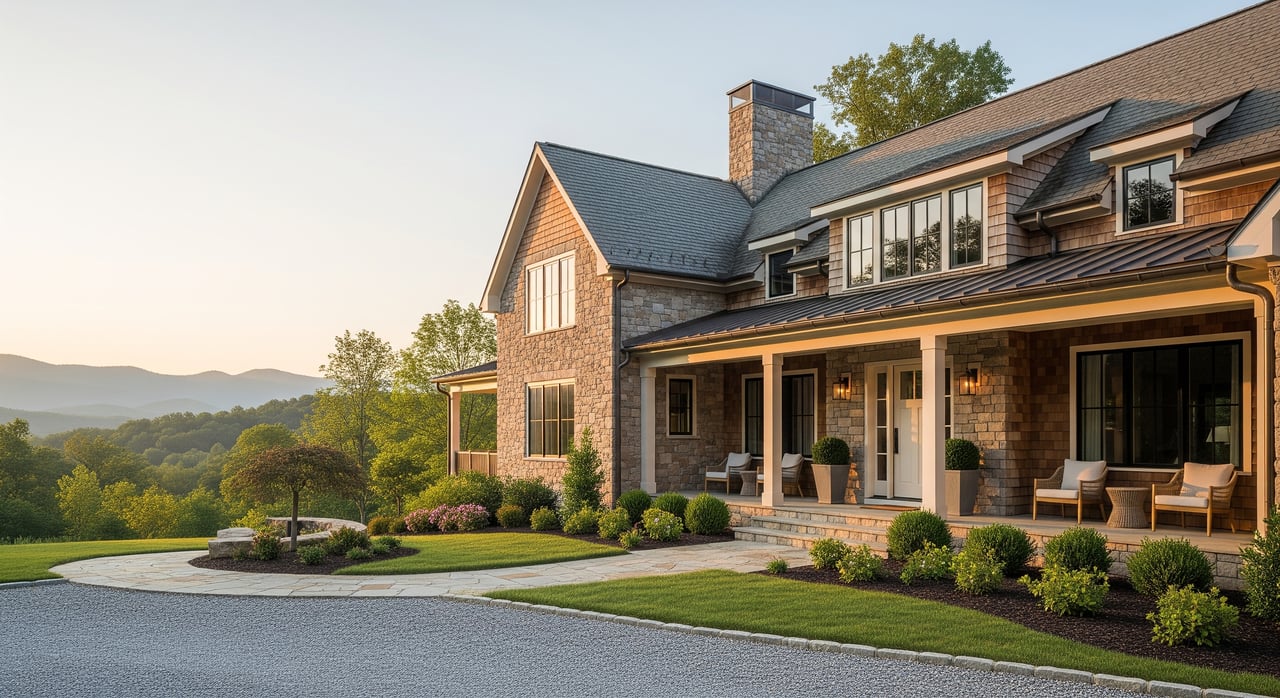
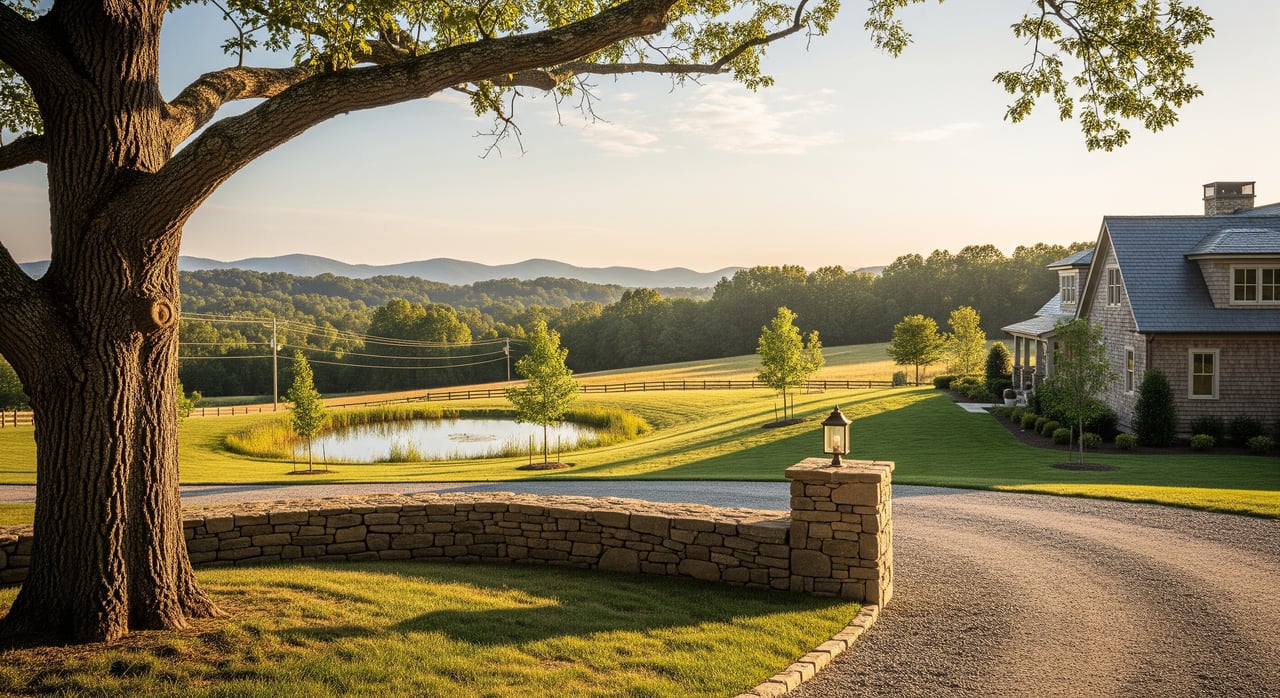
You’ll see a mix of single-family homes, cabins, riverfront properties, and acreage tracts. Some small subdivisions exist, as well as vacation-rental-style cabins. Lot sizes are typically larger outside town limits, while in-town parcels feel more rural than suburban.
Demand exists for short-term stays because Townsend is a gateway to the park. If you’re exploring STRs, build your plan around seasonality, local rules, permitting, and neighborhood impacts. Confirm everything with Town and County officials before you buy.
Townsend’s dining scene centers on small, locally owned restaurants and cafes. Hours can be seasonal, especially in summer and fall. For a broader range of options, residents often head to Maryville, Alcoa, or Knoxville.
You’ll also find cultural and educational experiences close by. The Great Smoky Mountains Heritage Center interprets the region’s cultural and natural history with rotating exhibits and programs. Community events and seasonal festivals celebrate music, crafts, and outdoor life. Check official town and visitor resources for current calendars.
Compared with neighboring tourist hubs, Townsend’s lifestyle skews quieter with more emphasis on nature, privacy, and community ties. It’s a fit if you value calm and trail time over nightlife and large entertainment venues.
Here’s a simple plan to set yourself up for success:
If Townsend sounds like your kind of quiet, let’s talk. With decades of East Tennessee experience and a specialty in acreage, mountain-view lots, and river-adjacent properties, I’ll help you find the right fit and navigate the details with confidence. Connect with Wanda Hendryx to schedule a free consultation.
Stay up to date on the latest real estate trends.
Get assistance in determining the current property value, crafting a competitive offer, writing and negotiating a contract, and much more. Contact me today.