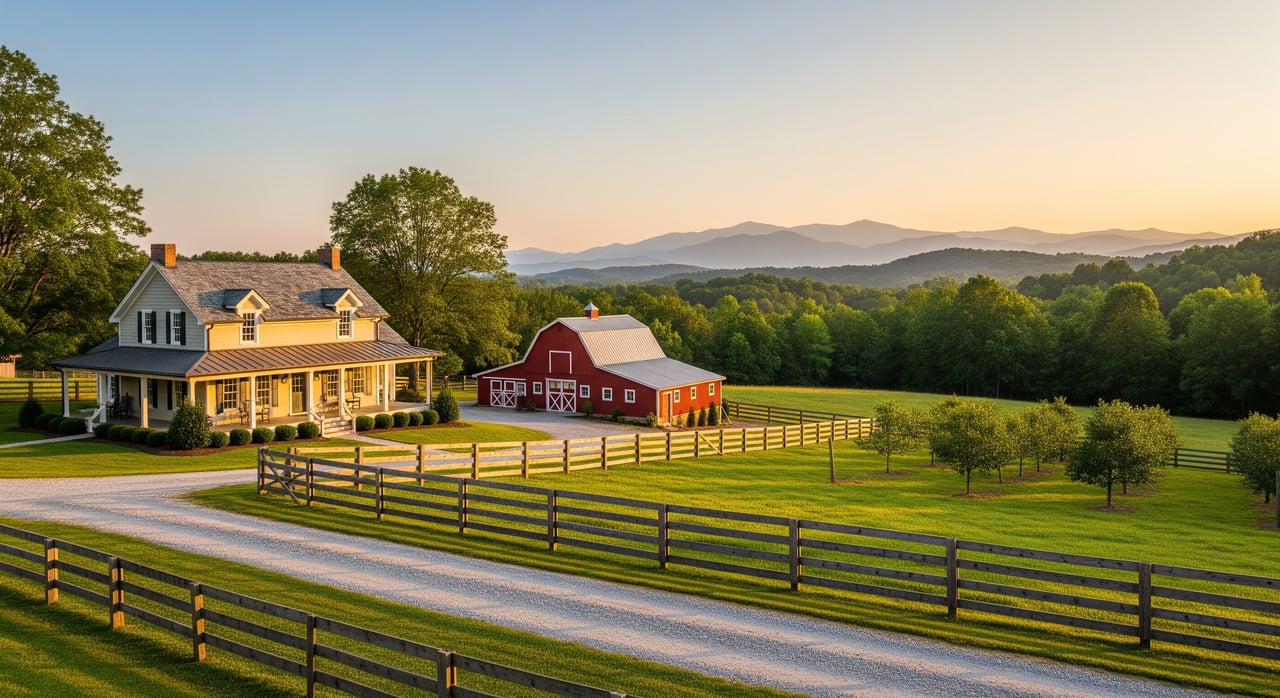
Greenbelt Tax Strategies for Townsend Hobby Farm Investors
November 6, 2025
November 6, 2025
Thinking about a hobby farm near Townsend and wondering how to keep property taxes manageable? You are not alone. Tennessee’s Greenbelt program can significantly reduce taxes when your land is used for agriculture, forestry, or qualifying open space. In this guide, you will see how Greenbelt works around Townsend, what to confirm with Blount County, and the exact steps to protect your tax position before and after you buy. Let’s dive in.
Tennessee’s Greenbelt, also called current‑use valuation, allows qualifying agricultural, forest, and open‑space land to be taxed based on its use rather than market value. This can lower your annual tax bill if your land is actively used and approved by the county. The legal framework is set by Tennessee Code Annotated, Title 67, Chapter 5, Part 10.
Blount County’s Property Assessor administers the program locally for parcels in and around Townsend. If you change the use of the land or it no longer qualifies, the county may remove the classification. Removal can trigger rollback taxes that recapture prior savings.
Your land must be devoted principally to the qualifying use. Hobby farms can qualify if the use is bona fide and, where applicable, income or acreage thresholds are met. Minimum acreages and income tests vary by category. Because thresholds are set by state law and administered locally, confirm exact requirements with the Blount County Property Assessor before you rely on the tax savings.
Greenbelt classification is generally applied to contiguous parcels under the same ownership. If you own multiple adjacent parcels, ask whether they can be treated together. When a residence sits on a farm, a limited house site may remain part of the classified tract. The allowed size for a residential site can affect eligibility and rollback risk, so get the county’s written guidance for your parcel.
Land leased to a farmer can qualify if you can document the agricultural use. If your parcel is next to an existing farm you own, contiguity can help you reach thresholds. Ask the assessor how they treat adjacent parcels and what proofs they accept.
Ask the seller for the current Greenbelt classification letter, a copy of the application, and the last few tax bills showing the classification. Verify the category, the exact acres covered, and any excluded house site acreage. Then call the Blount County Property Assessor to confirm the status, whether any notice is required at transfer, and what you must do to keep the classification after closing.
Evaluate whether the use, acreage, and any income records will likely qualify. For small or part‑time operations, evidence of bona fide agricultural activity is key. The county can tell you what documentation they accept and the filing timeline for a new application.
Creating a separate lot or converting a portion to residential use can cause a loss of classification for that portion and may trigger rollback taxes. Before you survey or file a plat, ask the assessor how much residential acreage is allowed, how a split would be treated, and what the estimated rollback would be for your plan.
Forestland often requires a management plan prepared by a qualified professional. Open‑space land must meet specific characteristics that provide public benefit. Review definitions in state law and confirm with the county which documents they will require for these categories.
Collect the items the county typically requests:
Submit the county’s Greenbelt application by the local deadline. Ask whether renewal is annual or periodic and whether you will receive recertification notices. Keep copies of everything you submit.
If the county requests more information, respond promptly. If the assessor denies your application, ask about the administrative appeal process and the deadline for filing with the board of equalization. Appeals are time sensitive, so mark your calendar.
Ask the assessor’s office for the current‑use value and the most recent tax bill for the parcel. Compare that to a market‑value assessment to model your annual tax expense under both scenarios. This helps you decide what you can afford and how sensitive your budget is to a change in classification.
When land comes out of Greenbelt because of a change in use, sale that ends qualifying use, or a split that does not qualify, rollback taxes may recapture prior savings for a statutory number of years, plus interest and possibly penalties. Always request a written rollback estimate for your specific plan, such as creating a house lot or building a new residence. Include that contingent cost in your closing and development budget.
Before you add structures, extend driveways, or move fences, ask if the change affects classification. For buyers who plan to convert land to full residential use soon after purchase, calculate the total cost of lost classification and rollback taxes to see if the deal still makes sense.
When you speak with the Blount County Property Assessor, ask:
Greenbelt can be a powerful tool if your hobby farm activity is real, documented, and planned with care. The most reliable answers for Townsend‑area properties come from the Blount County Property Assessor, the Tennessee Code sections that govern current‑use, Tennessee Comptroller guidance, and University of Tennessee Extension publications. Use these sources to confirm your plan, keep good records, and ask for written estimates before you change anything.
If you want a sounding board as you evaluate parcels, filing steps, or potential rollbacks, reach out. With decades of experience helping acreage buyers across greater Seymour, Maryville, and the Townsend area, I can help you align your land search with Greenbelt rules and your long‑term goals. Schedule a free consultation with Wanda Hendryx | HouseHunterSTN to discuss your plans and next steps.
Stay up to date on the latest real estate trends.
Get assistance in determining the current property value, crafting a competitive offer, writing and negotiating a contract, and much more. Contact me today.